

They say a picture is worth a thousand words. That’s as true today as it was back in the early 1900s, when Fred R. Barnard first used the phrase. (Fun Fact: He was promoting the use of images instead of words to advertise on the side of streetcars.)
Setting advertising aside, I have previously written about how to take good cemetery photos. Today I want to talk about why.
Why are gravesite photos so important? Do they even matter to your client?
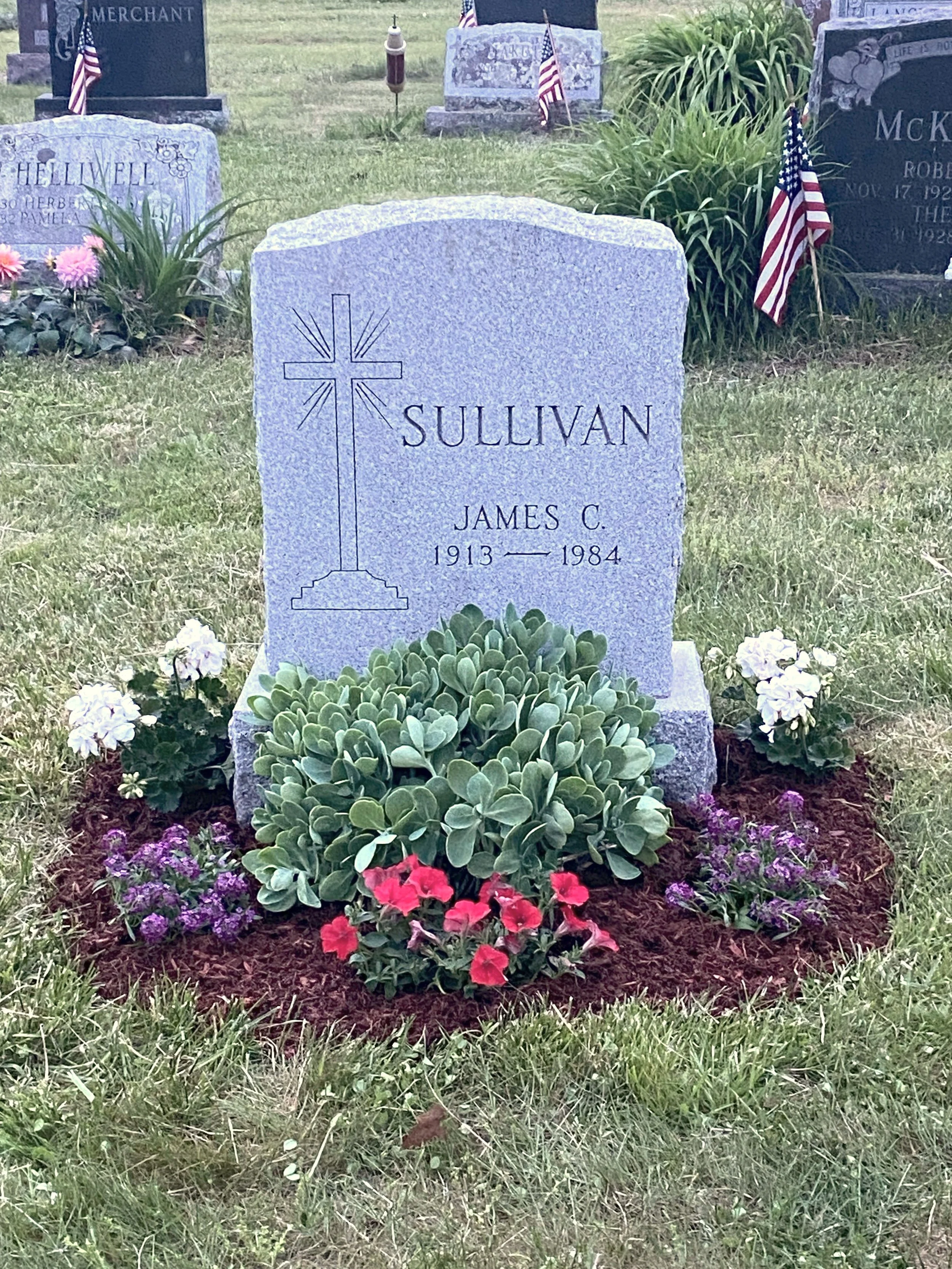
There are three main reasons your photos are important:
Your clients can’t go to the cemetery in person. Honoring their loved ones is important—so important they hired you to help them with this work. It’s not just checking a box on their to-do list. If they can’t get to the cemetery, your photos are the only way they can remain connected.
In my own business, several of my clients live out of state…or out of the country. And many others live just beyond a reasonable commute. I also have a large number of elderly clients who can’t manage the terrain in the cemetery (think using a walker on a grassy hill with tree roots). So even if they used to tend the site every year, it’s beyond them now. A few more clients simply dislike being in a cemetery, but they are still committed to caring for their family members’ final resting place.
They share the photos with their family. Only a few of my clients still receive physical photos in the mail. The rest either receive a text or a link to a folder with the pictures. And they do share them. I know because I receive emails from family members who talk about the pictures, and the loved ones who are buried at the site. They are paying attention. The reality is, these pictures mean a great deal to more than just the person paying for the service. Whole families are engaged: remembering, sharing, and staying connected with each other through these photos.
The pictures show the history of the gravesite through the years. Original Before & After photos make an impressive visual impact: I especially love sending the set for a headstone cleaning. For a planting client, once the initial garden is built in year 1, I only send the After shots. Some clients keep the pictures so they can look back in time: What did the autumn garden look 5 years ago? 4 years ago? 3—2—1? This history gives a visual reminder that their commitment to care for their loved one continues on, even if they can’t do the work themselves.
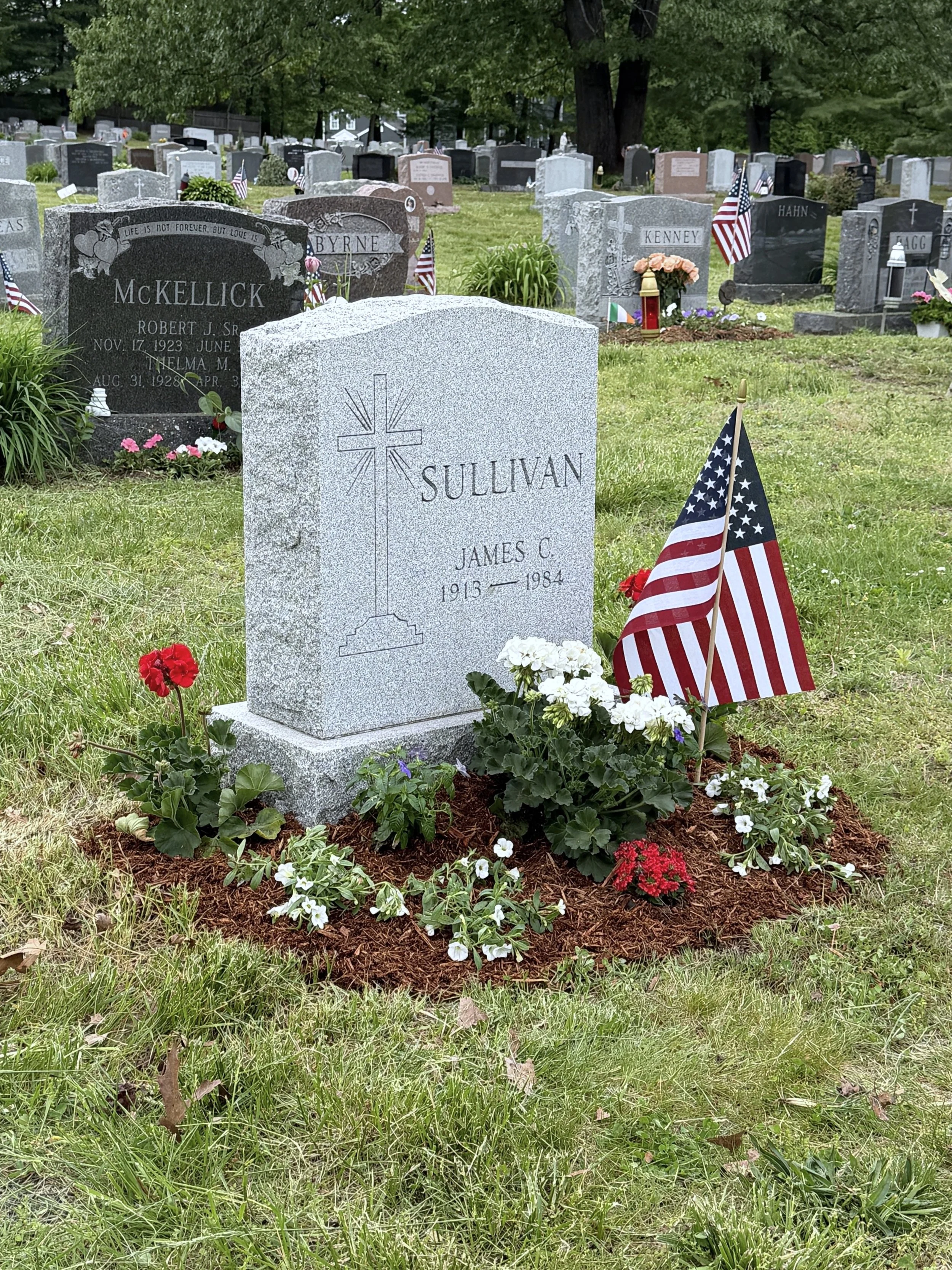
Of course, we want to send photos that show the gravesite in a way that helps our clients feel like they’re there in person. A blurry, long-shot photo with sun glare isn’t going to achieve this. A basic photo editor (the free kind, like the one that comes with your computer) is all you need to take a crooked, wide-angle photo and turn it into a lovely, close-up shot that looks professional.
And your photos remain 100% real: nothing photo-shopped or artificially generated, which is more important than ever, especially in a personal industry like grave tending.
Over the years my original shots have improved. But taking an extra 45 seconds to make sure they’re straight, plus cropped to the right size, is worth the effort. Your client may not notice why your pictures look so good; just like a secret ingredient that makes your grandma’s apple pie a family favorite, that bit of extra attention makes a difference.