

This weekend I am excited to get back to the cemetery and begin some Winter Prep services!
I know, I know… but Amy, you just finished your Autumn Plantings! Yes, for some gravesites it’s only been a month.
The reality is, seasons can change quickly. Since mid-October we’ve had several nights below freezing and woken up to very frosty mornings (even our cats didn’t want to go out). When I look at my own garden bed, my vegetables and zinnia are all gone by.
But not quite everything is gone: In front of the house, my mums are still happy, and a few of my geraniums have blooms, which is quite impressive, actually.
What this means is: I need to be strategic about my winter prep visits. I want to tend the gravesites that are all done for the season, and yet I don’t want to pull up a garden that’s still got some life left to it.
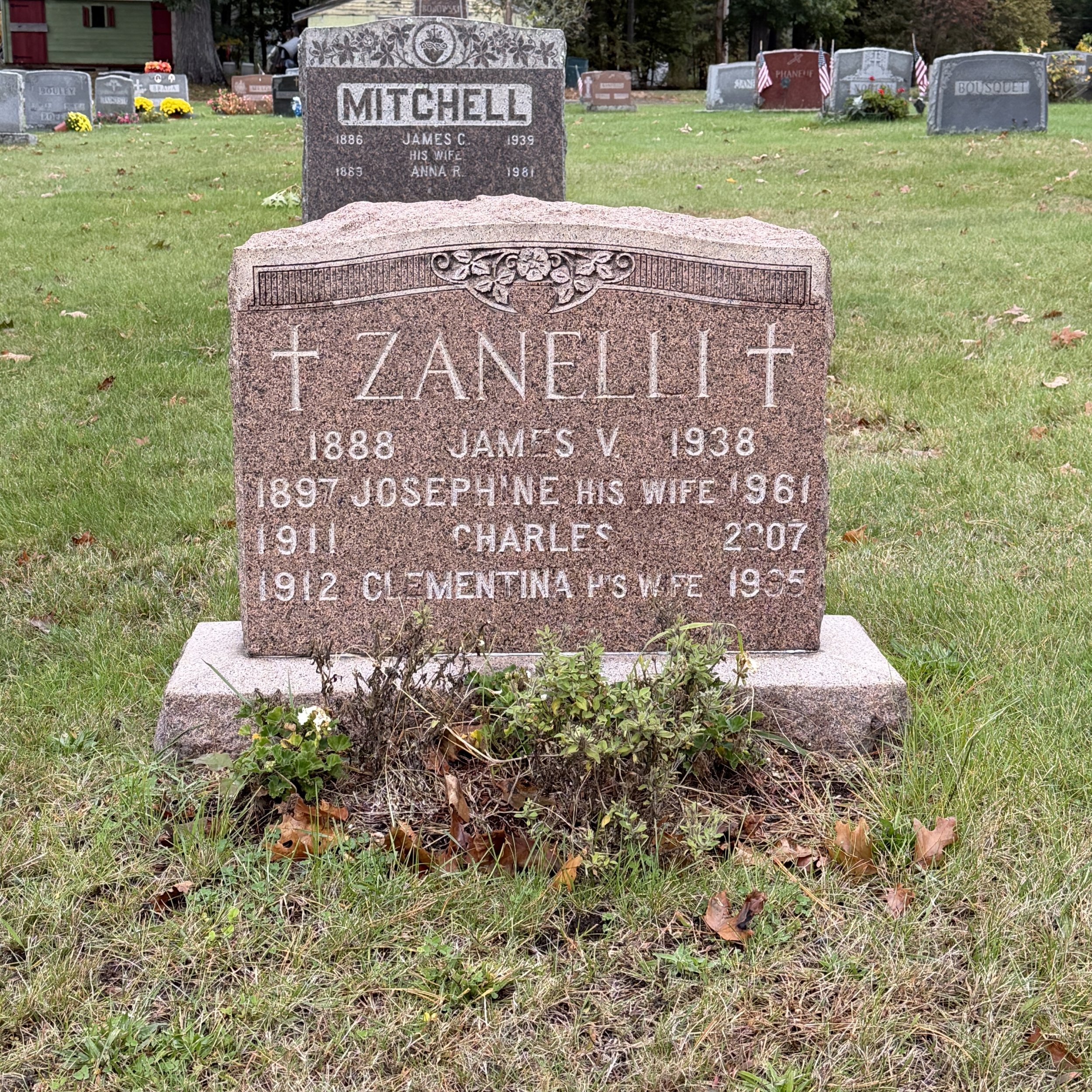
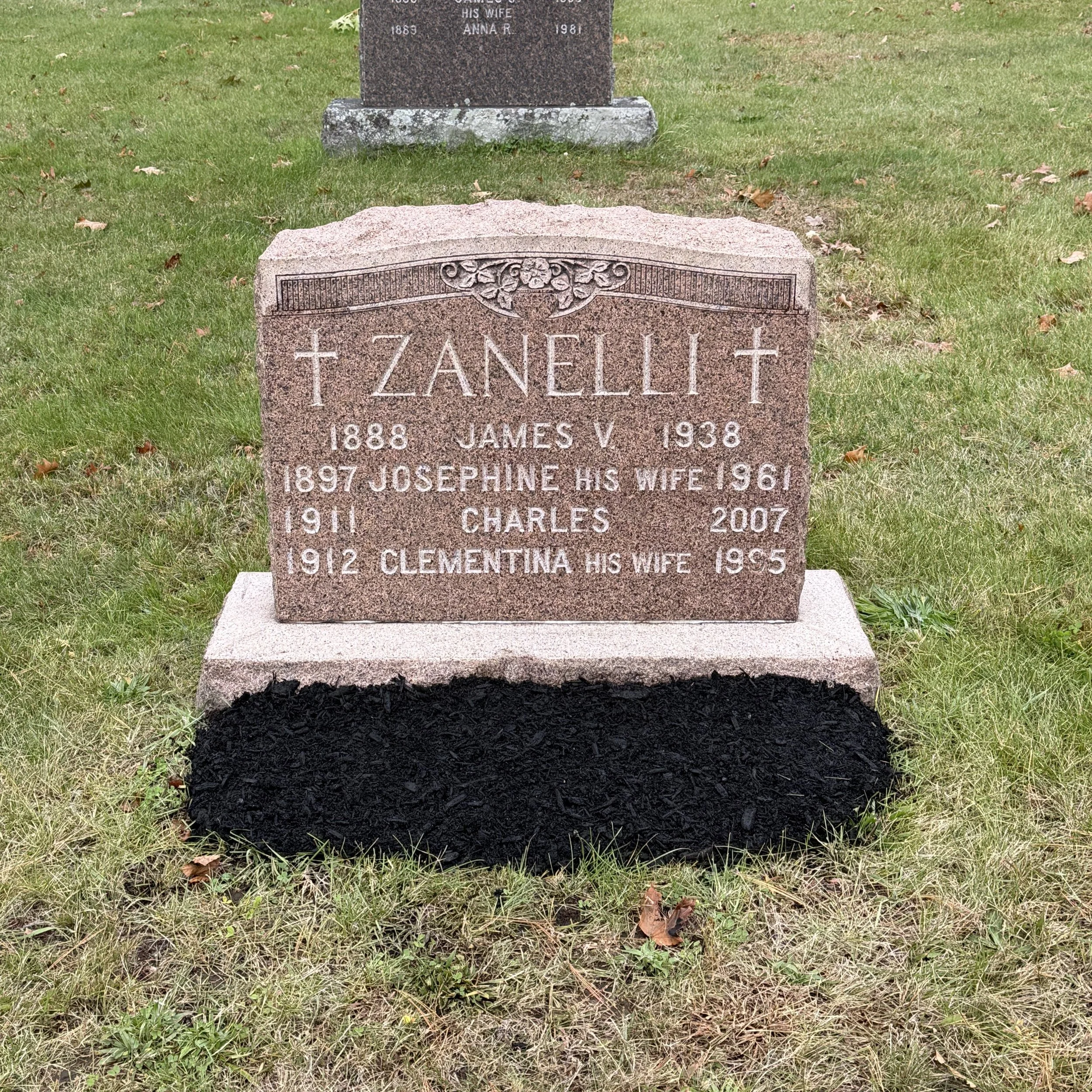
That’s what I want to talk about today: How do you know which sites to work on…and when?
All businesses balance their time. There is always something that needs to get done, and if you let a task go too long, you cause yourself more headaches down the road. In my case, once I finish Winter Prep, it’s time to start building & delivering Winter Logs, so a delay in the cemetery work means more late nights decorating logs.
An outdoor-based business like grave tending must also take the weather into consideration. Just like in the spring, I can’t plant too early and need to build time into the schedule for a few rainy Saturdays; in the autumn I keep an eye out for winter weather patterns. A few frosty days are fine, but once the ground freezes, it’s tough to dig up plants and smooth the bed. There has been snow on the ground some years during Prep season, too…that is the opposite of fun.
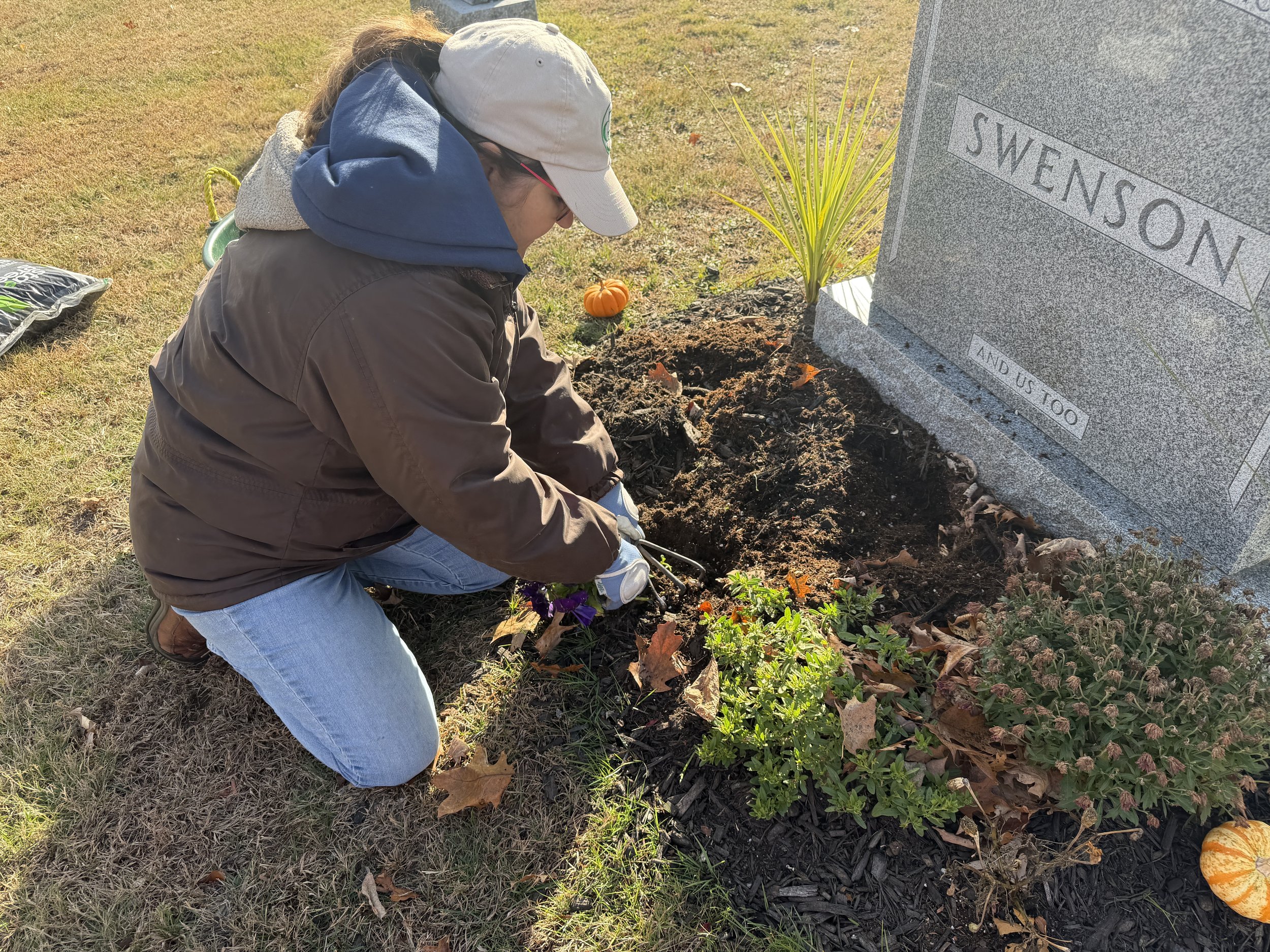
So, once I have my list of Winter Prep clients, I start by grouping them based on their proximity to each other. Then I start planning my routes over the next 3 weeks or so.
Here are some of the factors that go into my planning:
The closer to the coast, the milder the weather. I live in Massachusetts, personally not close to the ocean, but I have clients far enough east that they hardly get any snow, and their flowers can stay blooming a full month after my other clients’ beds are ready to be pulled. I schedule these last.
North plus west brings colder and harsher weather. Of course, this is based on my location, but pay attention to your client sites: You will start to notice the cemeteries in one location seem to fade quicker than the others. These are always first on my list.
Trees shelter the site. While I’m not a big fan of trees close to my headstones (read: roots and leaves!), trees do provide shelter from the weather, allowing the plants to last longer into the autumn. If these sites aren’t already included in the “north and west group”, I’ll push them later in the schedule.
Along with these three contributing factors, there is one more to mention: Did I plant autumn flowers, or was I only there in the spring? This is important because spring flowers are typically more fragile than ones that bloom in the fall—think petunias vs mums. My geraniums aside, these flowers have passed their natural growing cycle. Even if I arrive to see a few blooms left, the plant itself will look overgrown and unkempt after all this time.
The bottom line to scheduling is this: I will start one weekend with a few sites I know will be ready to clean up (north and west), and a few others that I only planted in the spring. From there, I’ll move east and finish up in a few weeks with the sites closest to the coast.
I’ll also keep an eye on the weather. I don’t want to get stuck digging through frozen ground. As in the spring, I’ll leave some slack in my schedule for rainy days; I’d rather be pleasantly surprised when I have an extra day at the end than scramble to finish my jobs because I didn’t account for a storm!